

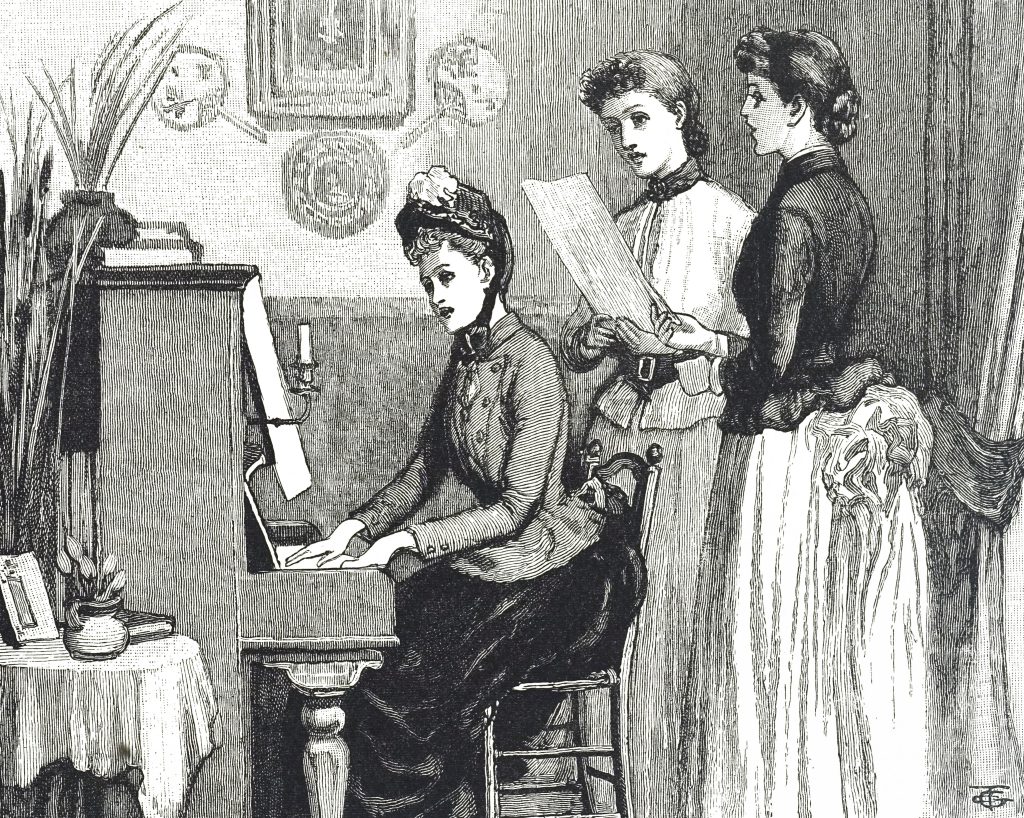
World History Archive | Alamy Photos
My Doctoral research focuses on the songs of women composers, particularly those from the nineteenth century in North America and Europe. By analyzing gendered, historical narratives that shape the classical music canon, I am interested in deconstructing how socio-cultural ideologies have diminished the contributions of women composers and their vocal repertoire.
In 2021, I conceived of In Search of Luise Adolpha Le Beau, a multifaceted project to research the Lieder (songs) of German composer Luise Adolpha Le Beau (1850-1927); Le Beau’s song repertoire remains understudied to this day.
Le Beau’s entire oeuvre contains over sixty works, including nineteen song opuses with a total of fifty-seven songs, vocal duets, and vocal trios. Ten Lieder opuses were published between 1877 and 1898, while nine Lieder opuses, composed between 1880 and 1921, remain unpublished. Le Beau’s Lieder aesthetic aligns itself most readily with Lieder practices of the 1830s to 1850s, akin to those of composer Robert Schumann (1810-1856), and Le Beau composed strophic and through-composed songs with texts by twenty-seven individual poets.

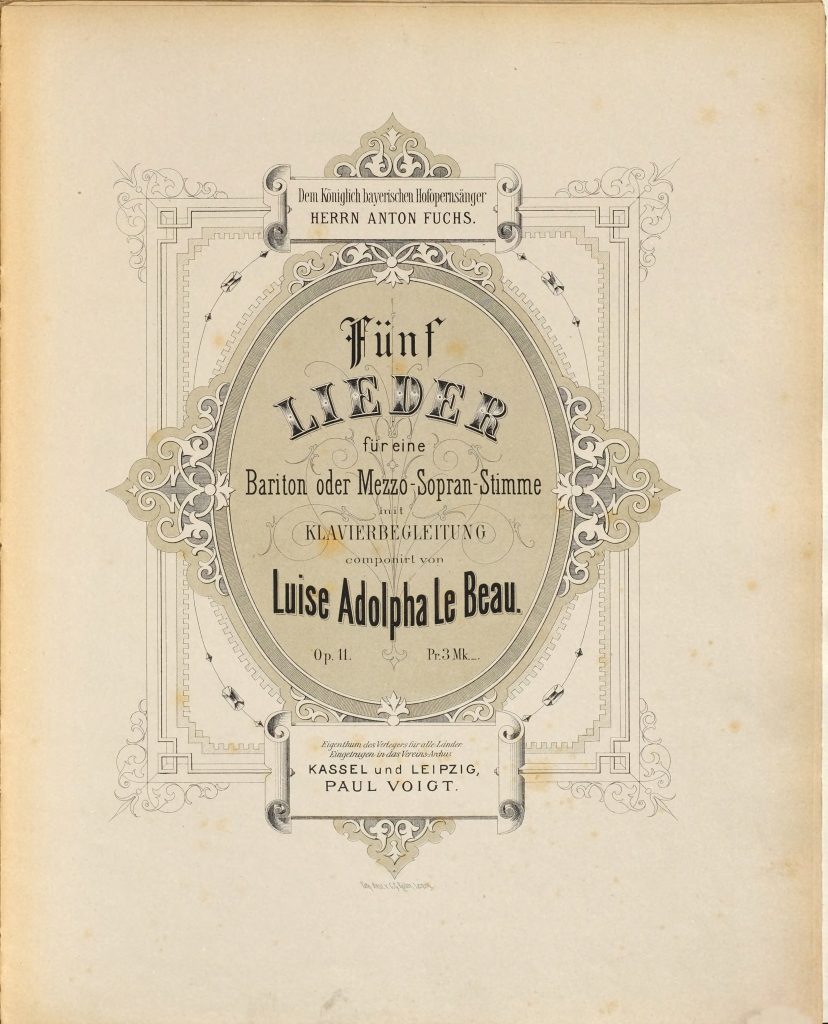
Media: Fünf Lieder, Op. 7 (1877)
Listen here to my 2024 premiere recording of Le Beau’s Fünf Lieder, Op. 7 (1877) with pianist Emily Baltzer at St. Thomas’ Parish in Washington, DC.
Historical Background
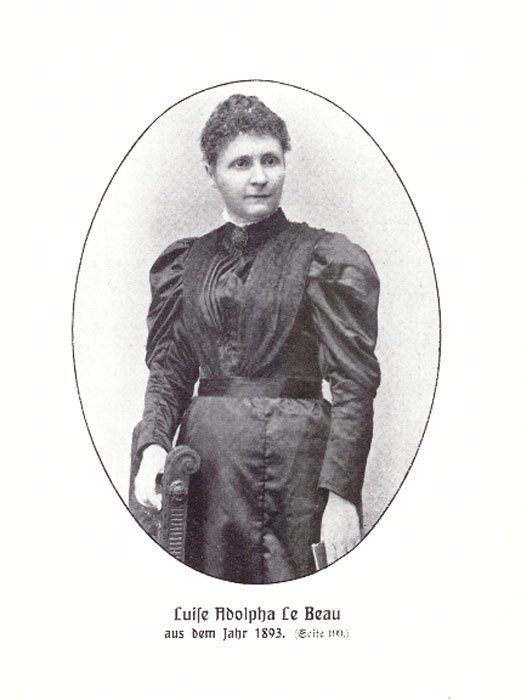
Printed in her 1910 memoir
Lebenserinnerungen einer Komponistin
Born in Rastatt, Germany, Luise Adolpha Le Beau (1850-1927) was raised in a musical family, and her parents devoted themselves to her education. She later cultivated her professional career as a composer, pianist, music critic, and piano pedagogue. Le Beau wrote in large-scale forms, such as symphonies, operas, and choral works, but also embraced small-scale Lieder and instrumental chamber music.
During the 1870’s and 1880’s in Munich, Le Beau was successful in publishing and seeking performances of her newest works. In the decades that followed, however, she struggled to find further performance opportunities, moving to Wiesbaden, Berlin, and Baden-Baden to seek more fertile collaborative landscapes.
In her 1910 memoir Lebenserinnerungen einer Komponistin (Memoirs of a Woman Composer), Le Beau outlines the trajectory of her career as a German woman composer of the late nineteenth century. The author ultimately revealed how gender prejudice hindered the public success of her musical works and thwarted her career ambitions as a composer.
To combat the biases that had obstructed her professional efforts, Le Beau self-consciously preserved her own musical legacy. By bequeathing her Nachlass (estate) to the state libraries in Karlsruhe, Munich, and Berlin, Le Beau hoped her music and life story would survive to earn an “unparteiischer und gerechter” (“more impartial and fairer”) assessment from future generations. [1]
Upon her death in 1927, the composer’s act of self-preservation proved prescient. Le Beau and her music were simply “forgotten,” a cultural erasure precipitated by the partial destruction of Le Beau’s estate at the Badische Landesbibliothek during the bombing of Karlsruhe in World War II.
While more recent scholarship has explored her large-scale works and instrumental chamber music, there is little to no scholarship on Le Beau’s Lieder repertoire, only a handful of her ten published Lieder opuses are readily accessible to the public, and to my knowledge, and few professional recordings of Le Beau’s Lieder exist.

Photo: Gerd Eichmann | Wikimedia Commons
Lebenserinnerungen einer Komponistin
(Memoirs of a Woman Composer)
If I now, at the age of fifty-nine, try to describe my experiences as objectively as possible, it is not done out of vanity or arrogance, but rather, from other motives. Firstly, it was a wish of my dear, blessed father that I would point out the many difficulties that stand in the way of a woman in the field of musical composition, the envy and resentment of my colleagues, as well as the prejudice and misunderstanding in the advice of those who were the most qualified and best situated to nurture a talent, and that I speak the truth loudly without shyness or regard for well-known individuals – however, I was also supported by others, who played a role in my life as an artist, who encouraged me to tell my story…
In his encyclopedia of music history, Herr Ritter compares the making of music in the nineteenth century with a large forest that is covered with all kinds of trees and says, that not only do a few giant trees make up the forest, but rather, the small trees, bushes, grasses, flowers, and mosses are essential to giving it its real character… Whatever gifts I was given, I have nurtured with all my strength; no one can do anything more! I did not disdain even the smallest gifts, but rather, I took delight in all musical works, as long as they were artistically serious and true… Should one or another of my compositions please later generations, I have not written in vain. I have never wished for more recognition than I deserve! Finally, I thank all those who are still living or have already led the way to a better land, all those who have given me the gift of interest and friendly encouragement for my striving!
Excerpted from “Foreword” in Lebenserinnerungen einer Komponistin (1910) by Luise Adolpha Le Beau
Translation by Noelle McMurtry
Peter Mønsted (1859-1941) | Brave Fine Art
Archival Research in Germany
With support from The Presser Foundation, I traveled to Germany from March to early June 2022, where I collected materials relevant to Le Beau’s song practice from the composer’s self-curated Nachlass (estate) at the Staatsbibliothek zu Berlin, the Badische Landesbibliothek Karlsruhe, and the Stadtbibliothek Baden-Baden.
In April 2023, I completed my DMA thesis at Peabody Institute, titled Unearthing a Self-Curated Nachlass: A Survey of Luise Adolpha Le Beau’s Published Lieder. I presented a lecture recital on Le Beau’s published songs with pianist Hui-Chuan Chen, as well as performed excerpts from Le Beau’s vocal duets and trios with sopranos Julie Bosworth and Claire Galloway Weber on the January 2023 chamber music recital, Sauvez-moi de l’amour.
I’m excited to announce that I will be a 2024/2025 Max Kade Postdoctoral Fellow at the Berlin Program for Advanced German and European Studies at the Freie Universität in Berlin. To read more on the 2024/2025 Berlin Program fellows and their research, click here. During the fellowship, I will revise and expand my DMA thesis on the Lieder of composer Luise Adolpha Le Beau (1850-1927), titled Cornflowers and Heather: The ‘In-Between’ Songs of Luise Adolpha Le Beau.
At the Berlin Program, I presented a Colloquium lecture on Le Beau’s songs in February 2025. In June 2025, I will also present a Le Beau Liederabend in collaboration with Ané Pretorius (soprano), Timothy Ribchester (piano), and Siavash Sabetrohani (violin) with the support of the Berlin Program. For more information on these events, check out my calendar.

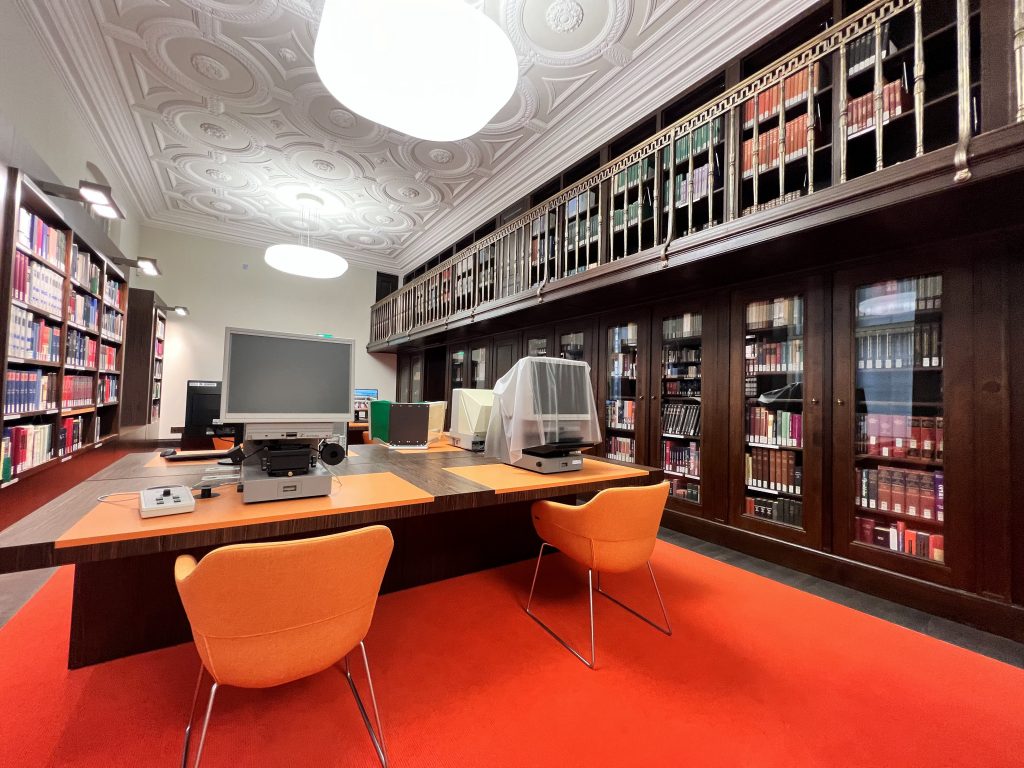
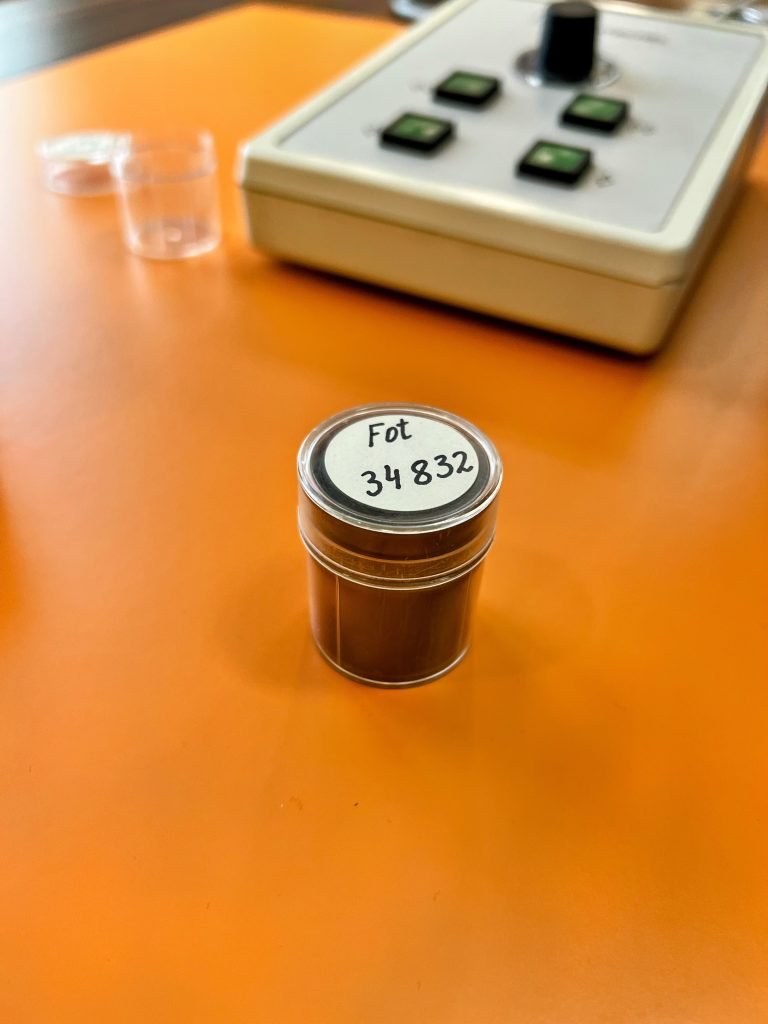
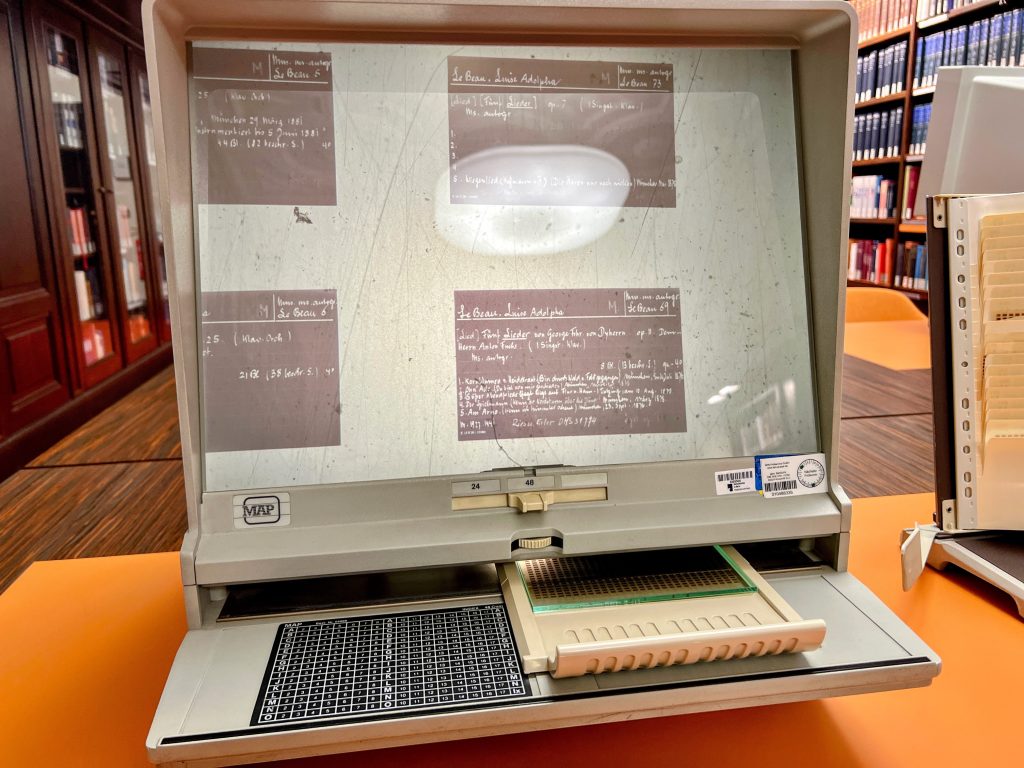
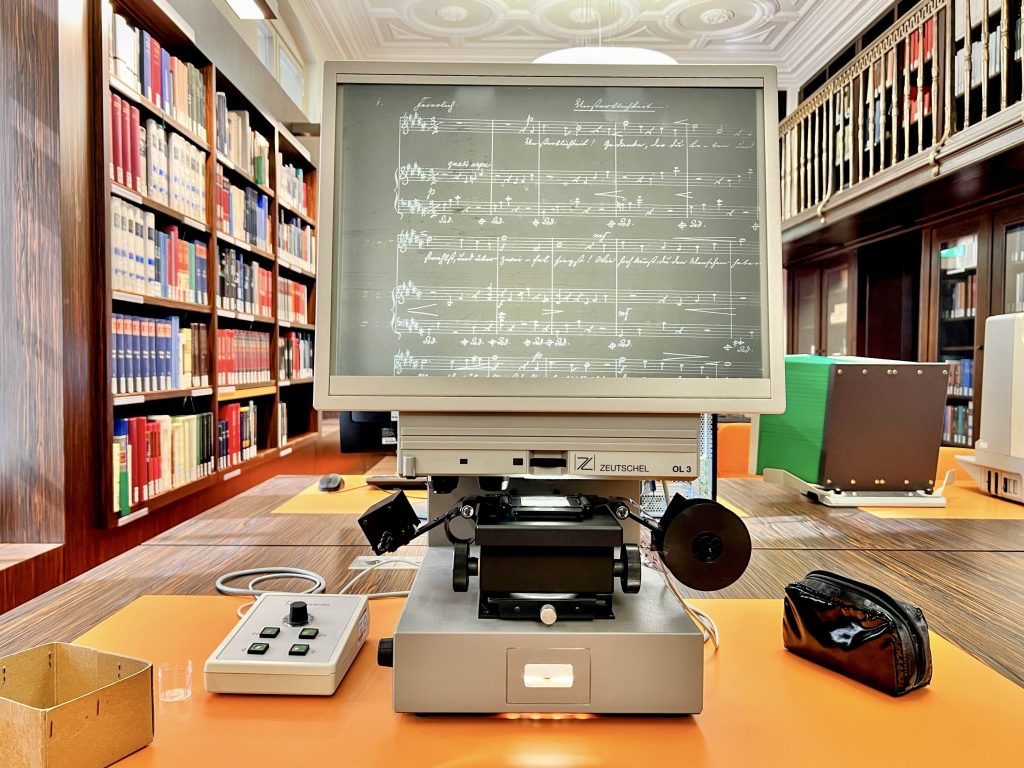
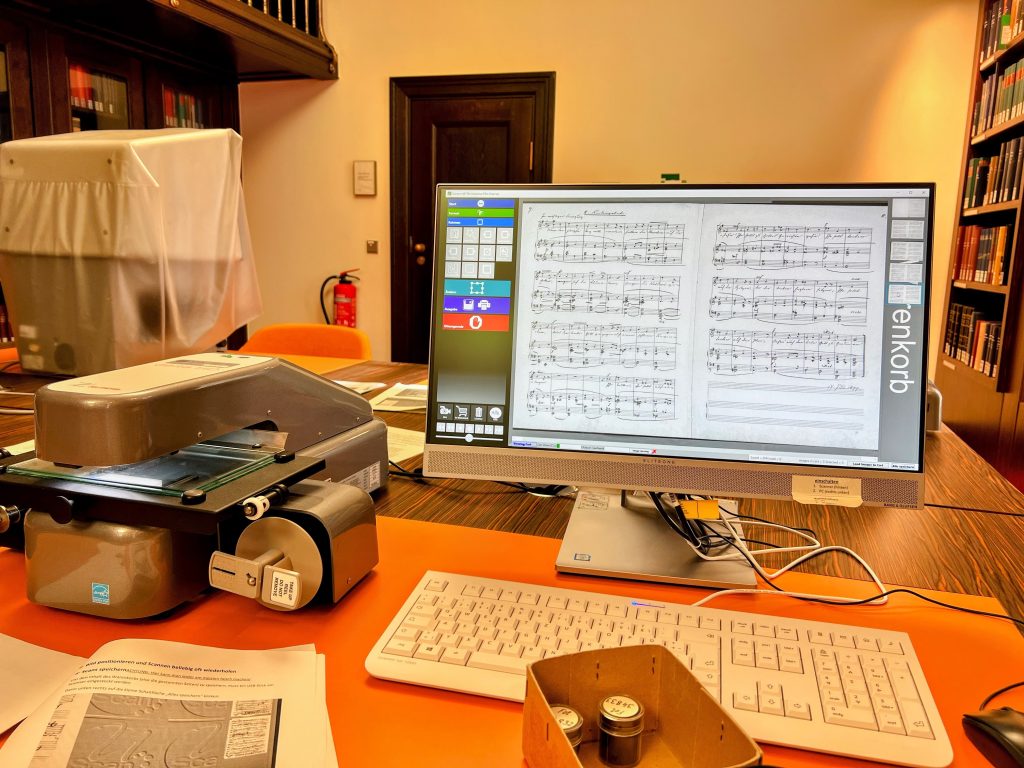
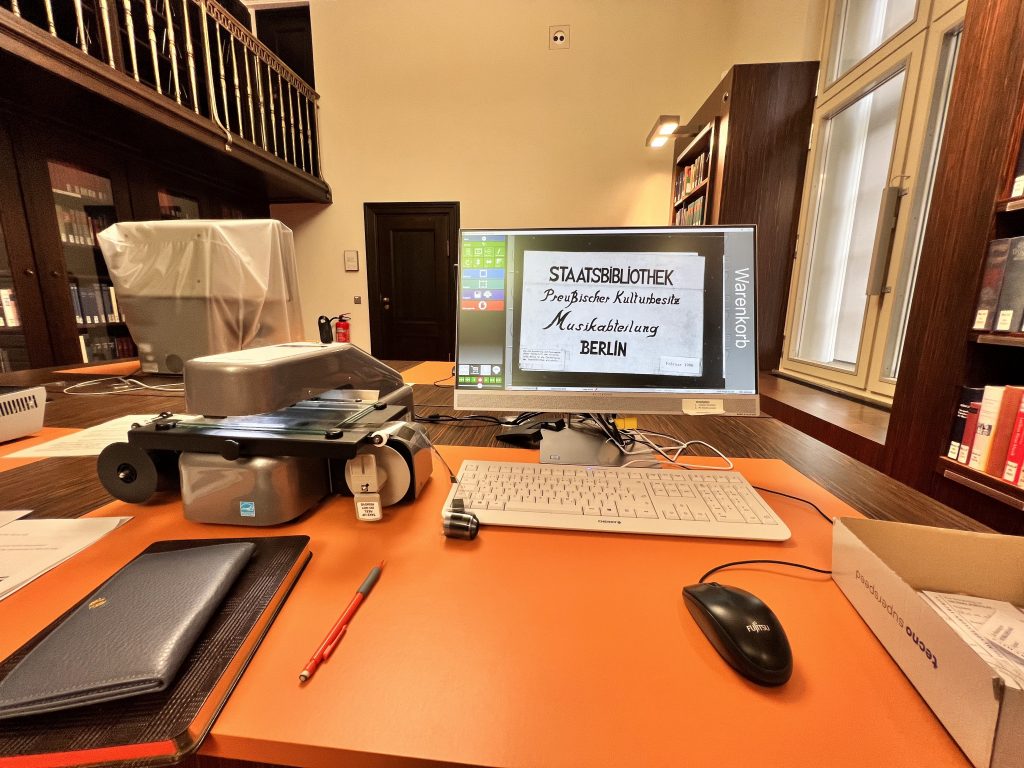
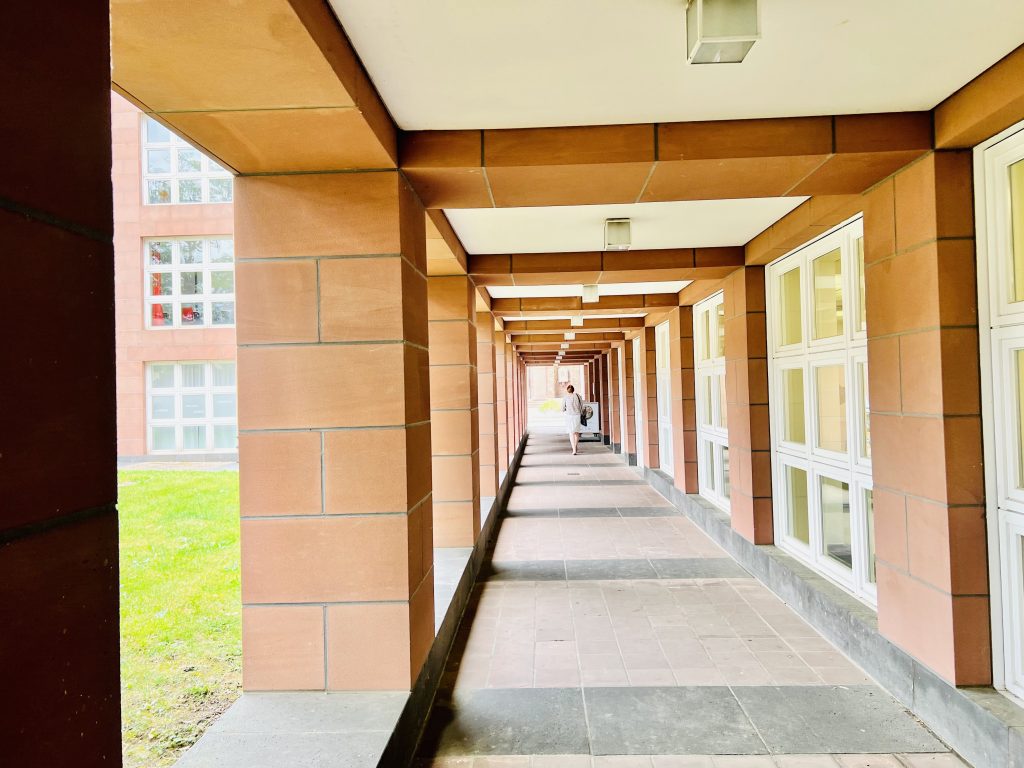
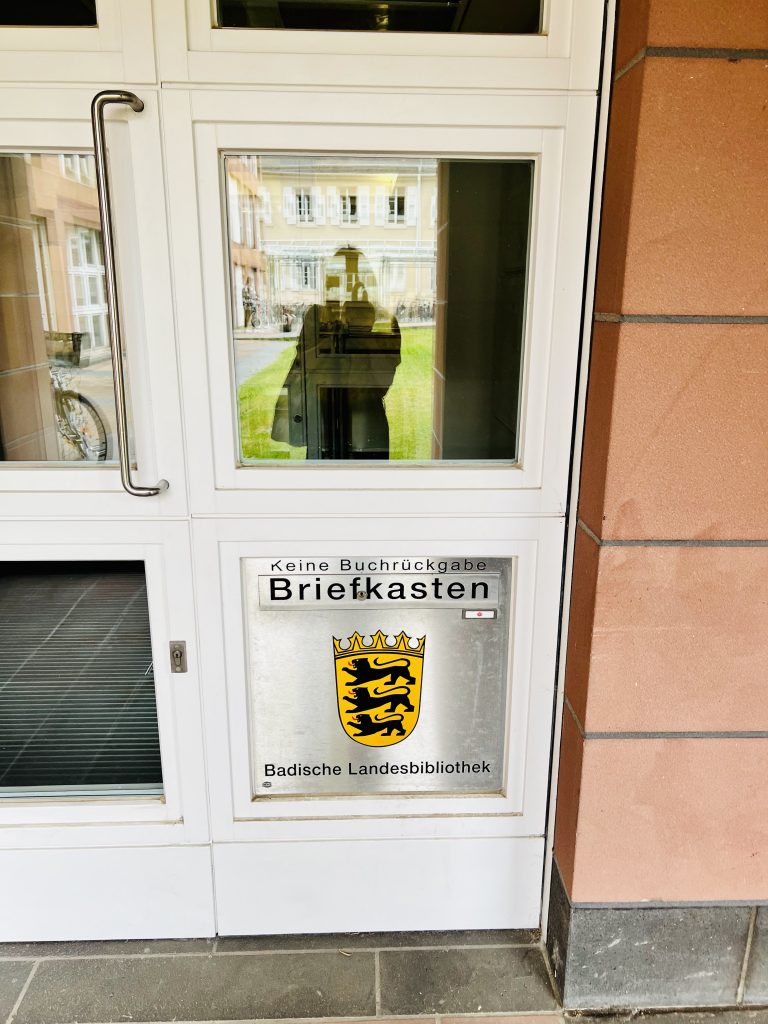
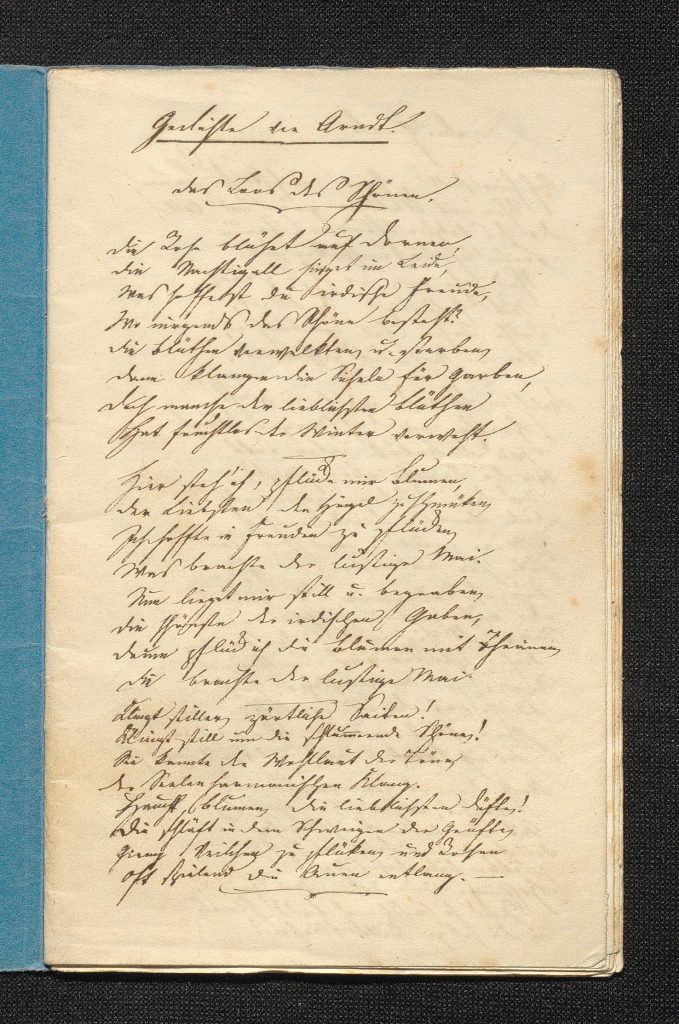
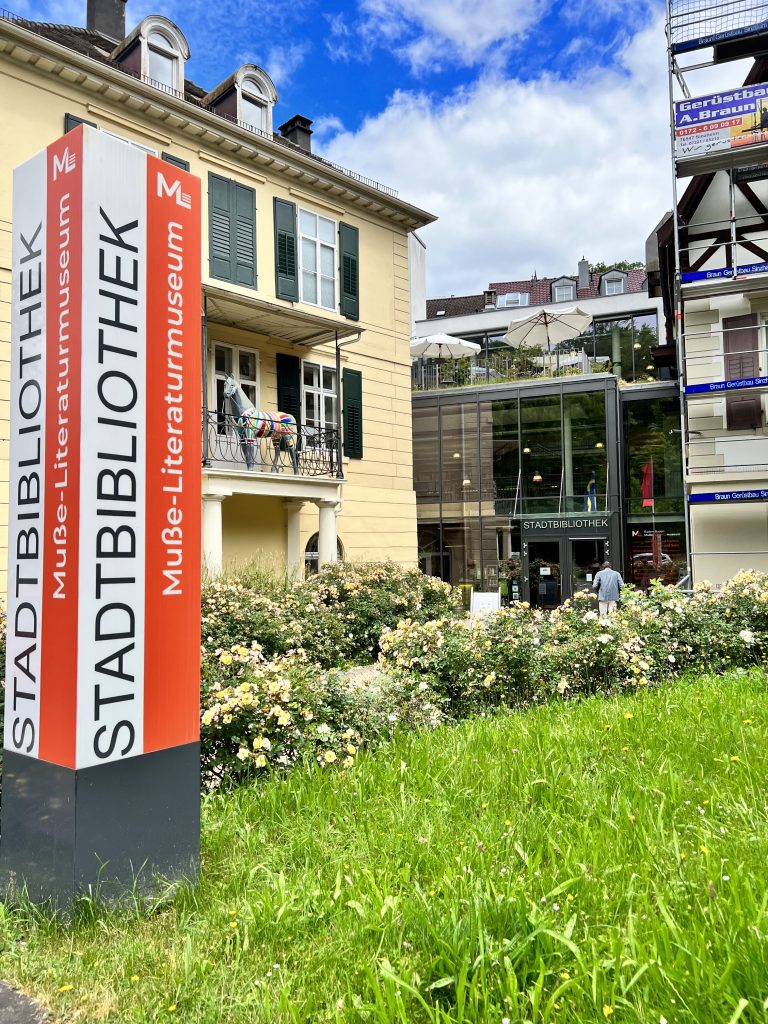
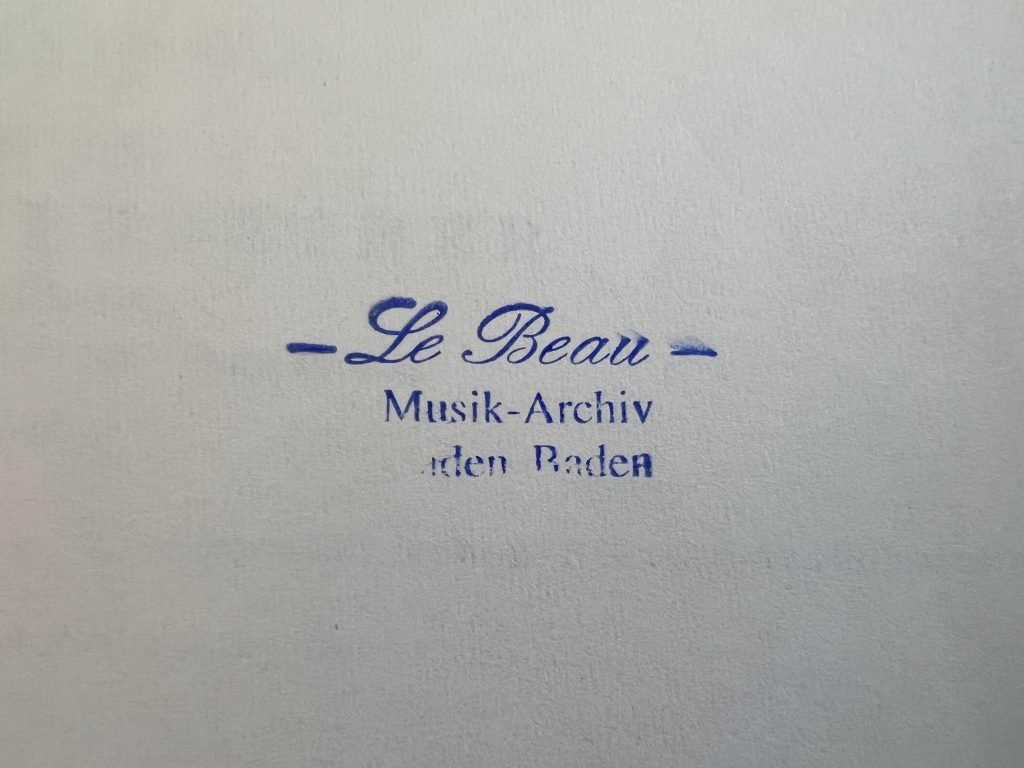
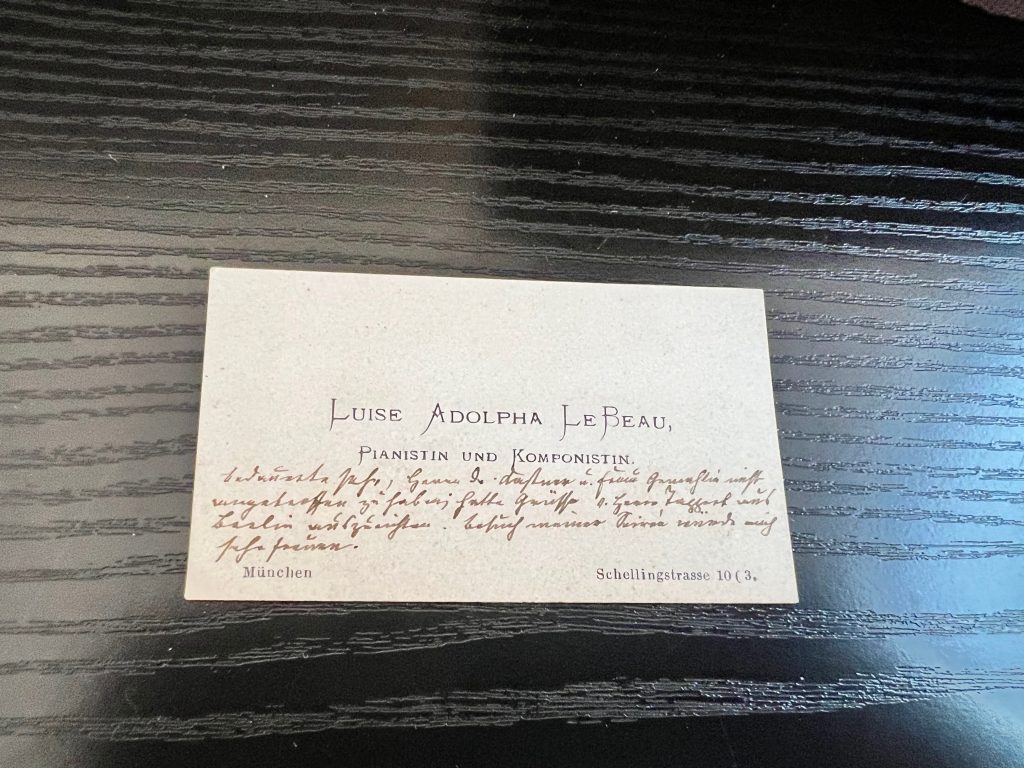
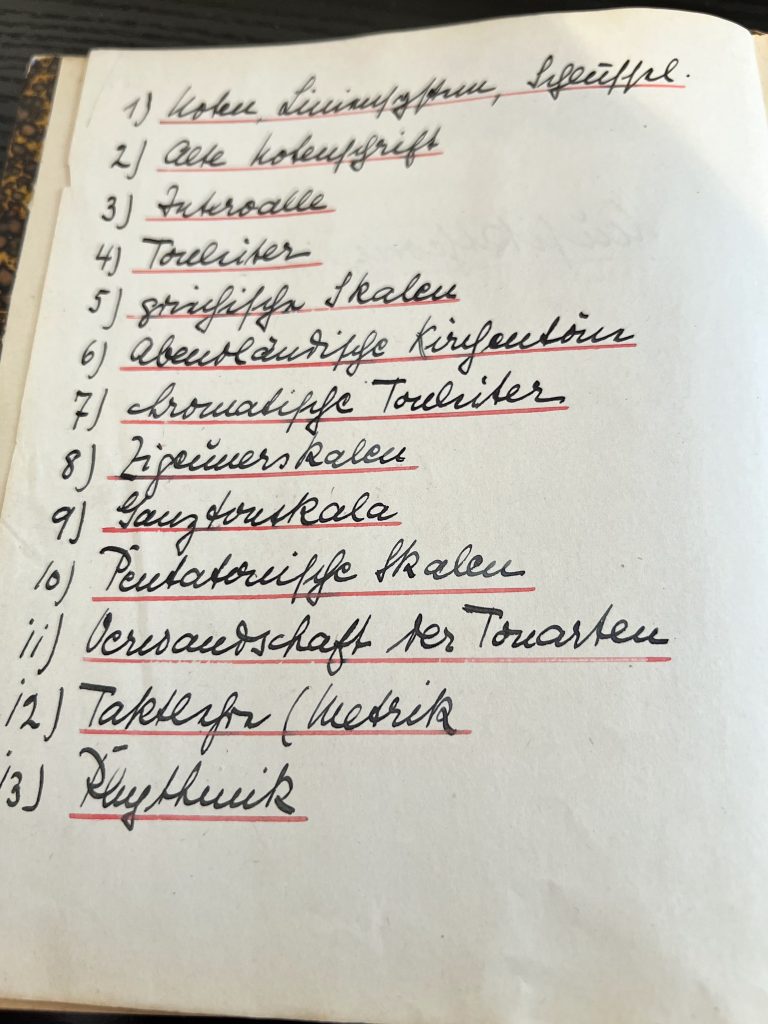
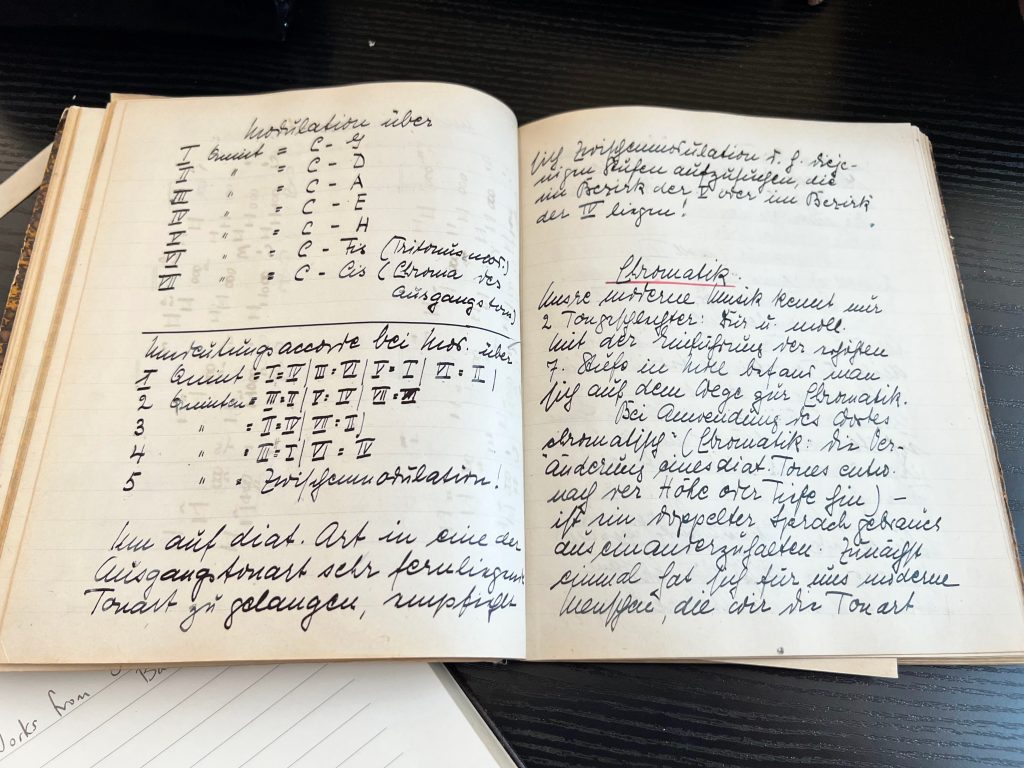
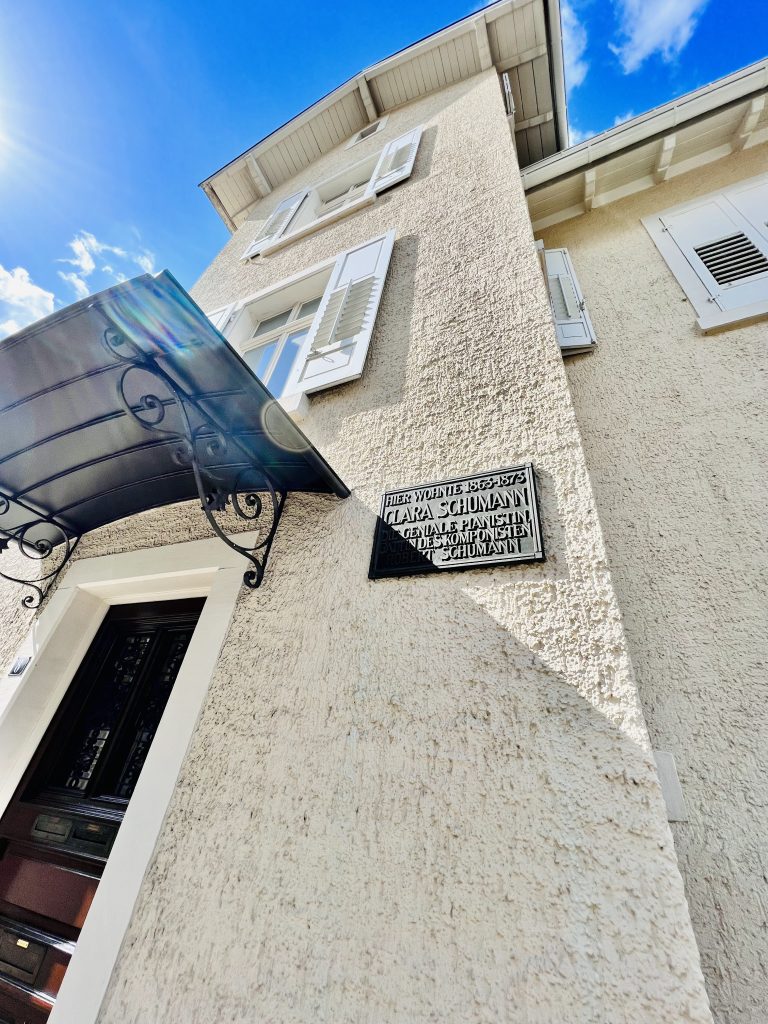
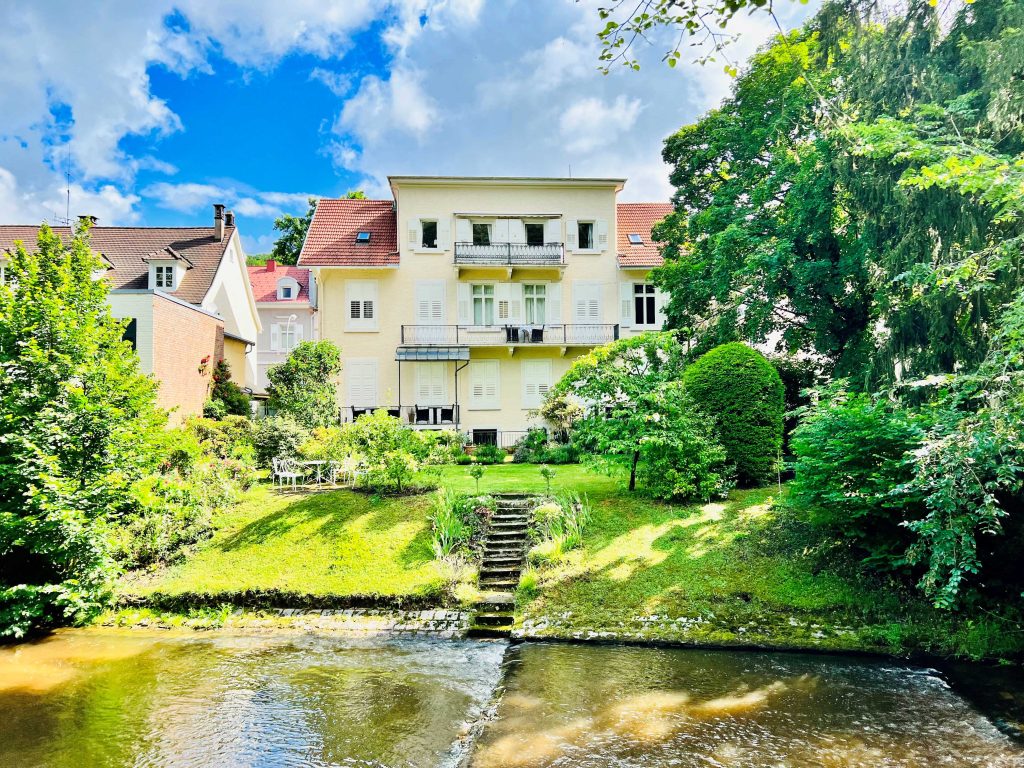
Staatsbibliothek zu Berlin on Unter den Linden Musikabteilung mit Mendelssohn-Archiv at the Staatsbibliothek zu Berlin Le Beau’s autograph catalogue of her compositions on microfilm Examining Le Beau’s Lieder manuscripts on microfilm Scanning Lieder manuscripts from microfilm into PDF files Cover page from Le Beau’s unpublished manuscript for op. 22, “Im Sängersaal” Badische Landesbibliothek Karlsruhe Photos were not permitted inside the music department’s archive… Scanned page from Le Beau’s poetry notebook from the Badische Landesbibliothek Karlsruhe Stadtbibliothek Baden-Baden Le Beau’s calling card from her years in Munich (1875-1885) Table of contents from Le Beau’s manuscript on music theory Examples of harmonic progressions from Le Beau’s music theory manuscirptal Home in Baden-Baden where famous composer Clara Schumann (1819-1896) lived from 1863 to 1873 Back garden facing Lichtentaler Allee in Baden-Baden where Le Beau took lessons with composer Clara Schumann in the summer of 1873



Le Beau Lieder Publishing Project
Since 2022, I have collaborated with composer Līva Blūma to create a collected edition of Le Beau’s Lieder, vocal duets, and vocal trios. Using Sibelius Notation software, Līva has engraved Le Beau’s nine unpublished Lieder manuscripts into working scores.
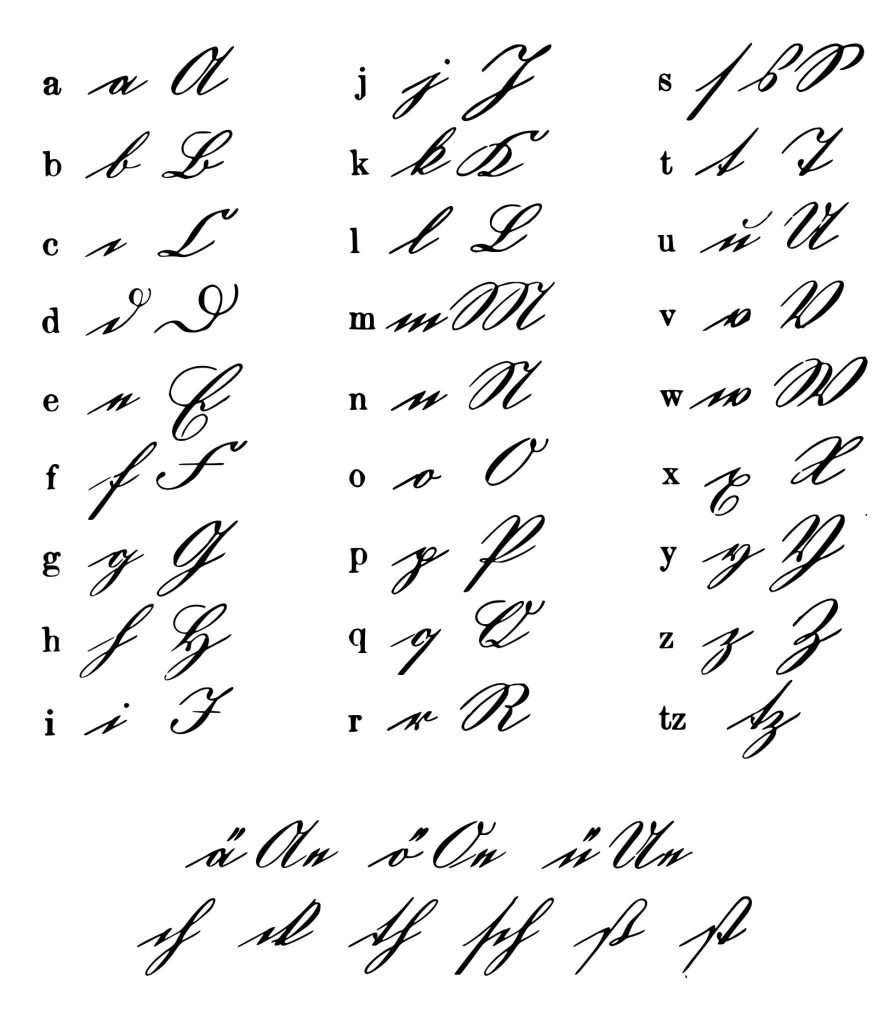
`Throughout the transcription process, we have encountered some unexpected (and interesting!) challenges. Le Beau exclusively wrote in Kurrentschrift, a cursive script standardized throughout Germany from the late eighteenth to the early twentieth centuries. Kurrentschrift uses a distinct alphabet, and due to the interconnected nature of its letters, Le Beau’s song texts are challenging for the contemporary reader to decipher. In order to read and ultimately translate Le Beau’s song lyrics into English, we sought assistance from independent scholar and Kurrentschrift translator Christina Petterson, who translated Le Beau’s Kurrentschrift lyrics into German Roman script.
Wikimedia Commons | Public Domain
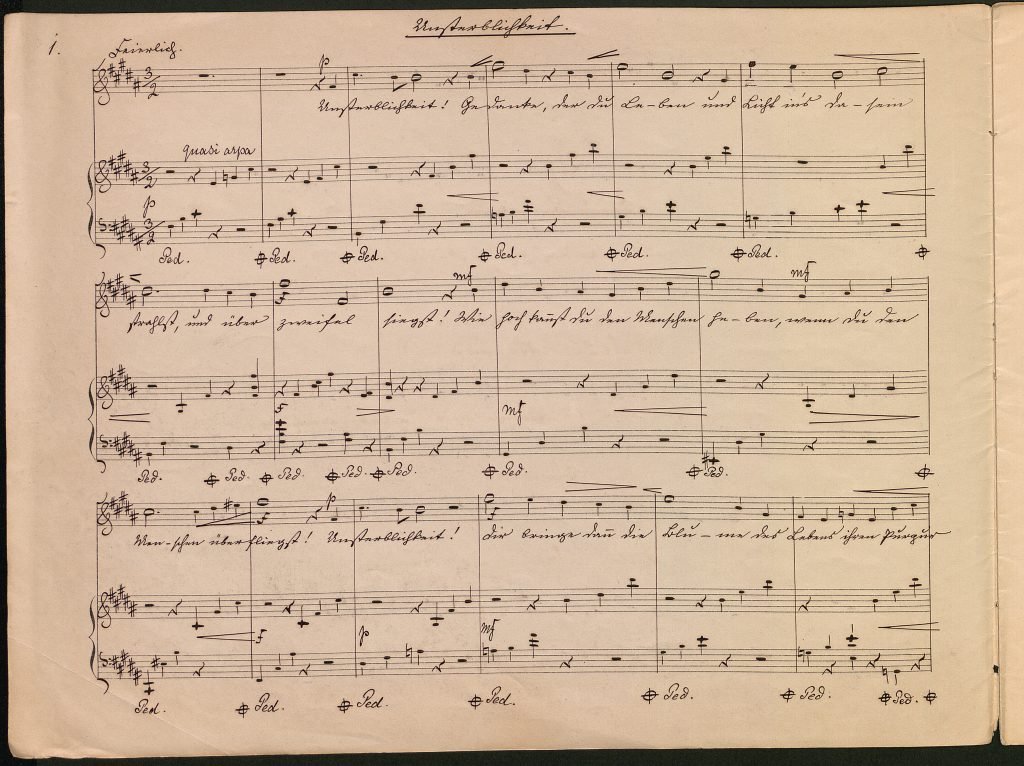
In October 2025, Līva and I will publish a digital, open-access collected edition of Le Beau’s Lieder, vocal duets, and vocal trios with English poetic translations and accompanying scholarship. For this upcoming edition, we were excited to collaborate with musicologist Susanne Wosnitzka, who edited and provided invaluable feedback for the German to English translations of the poetic texts that Le Beau set to music. Check out this space for updates on our progress!
Collaborator Info

Līva Blūma (b. 1994) is a Latvian composer and singer. Her work as a composer incorporates varied extra-musical sources such as poetry, visual art, spam emails, and boxing matches. Curiosity and collaboration are instrumental parts of her creative process, be it a piece for string orchestra, vocal a cappella or music for a shadow theatre performance engaging patients from a local mental health facility. As a singer, Līva performs solo art song and choral music. She sings everything from the medieval to the contemporary. Līva has been singing full-time with the State Choir LATVIJA since September 2022.
Līva holds a Bachelor’s degree in composition from Jazeps Vitols Latvian Music Academy. She completed her Master’s in Composition at the Peabody Institute Of Johns Hopkins University, under the tutelage of professor Michael Hersch in 2021. Currently, Līva is based in Rīga, Latvia where in November 2023 she premiered her first chamber opera MONSTERA DELICIOSA for four singers, piano, and percussion. This opera centers on stories of Baltic women and plants. Listen to examples of Līva’s music on Soundcloud.
Līva is also sincerely interested in engraving the works of historic women composers. This interest stems from a personal conviction that amplifying the voices of historically marginalized composers is of true necessity. For Līva, making historic manuscripts into performance-ready editions raises awareness about voices that have been silenced by the political climate and other societal issues.
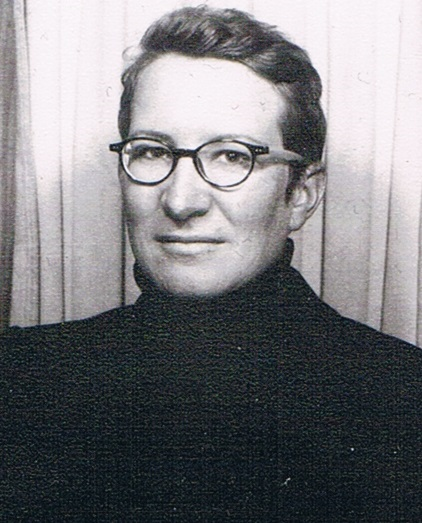
Susanne Wosnitzka M. A. is a musicologist living in Augsburg/Germany who specialized in female composers and women’s history during her studies over 20 years ago. Her research currently focuses on historical Augsburg daily newspapers of the 18th and 19th centuries on bourgeois music performance, theater and social history as well as e.g. film consulting.
Her book Fortissima!, which she co-authored with Sony cellist Raphaela Gromes on female cello composers, will be published in 2025. Susanne Wosnitzka works for the Archiv Frau und Musik in Frankfurt/Main, on a voluntary basis as a board member of musica femina münchen and as a scientific advisor to the German Mozart Society and the Swedish Women Composers’ Society KVAST.
For more info on Susanne’s research and projects, check out her website.
Notes
1. Luise Adolpha Le Beau, Lebenserinnerungen einer Komponistin (Baden-Baden: E. Sommermeyer, 1910), 8-9. Translation by Noelle McMurtry.
You must be logged in to post a comment.